


Modules / Service Desk
An assistant on your website that knows your business and admits what it doesn’t.
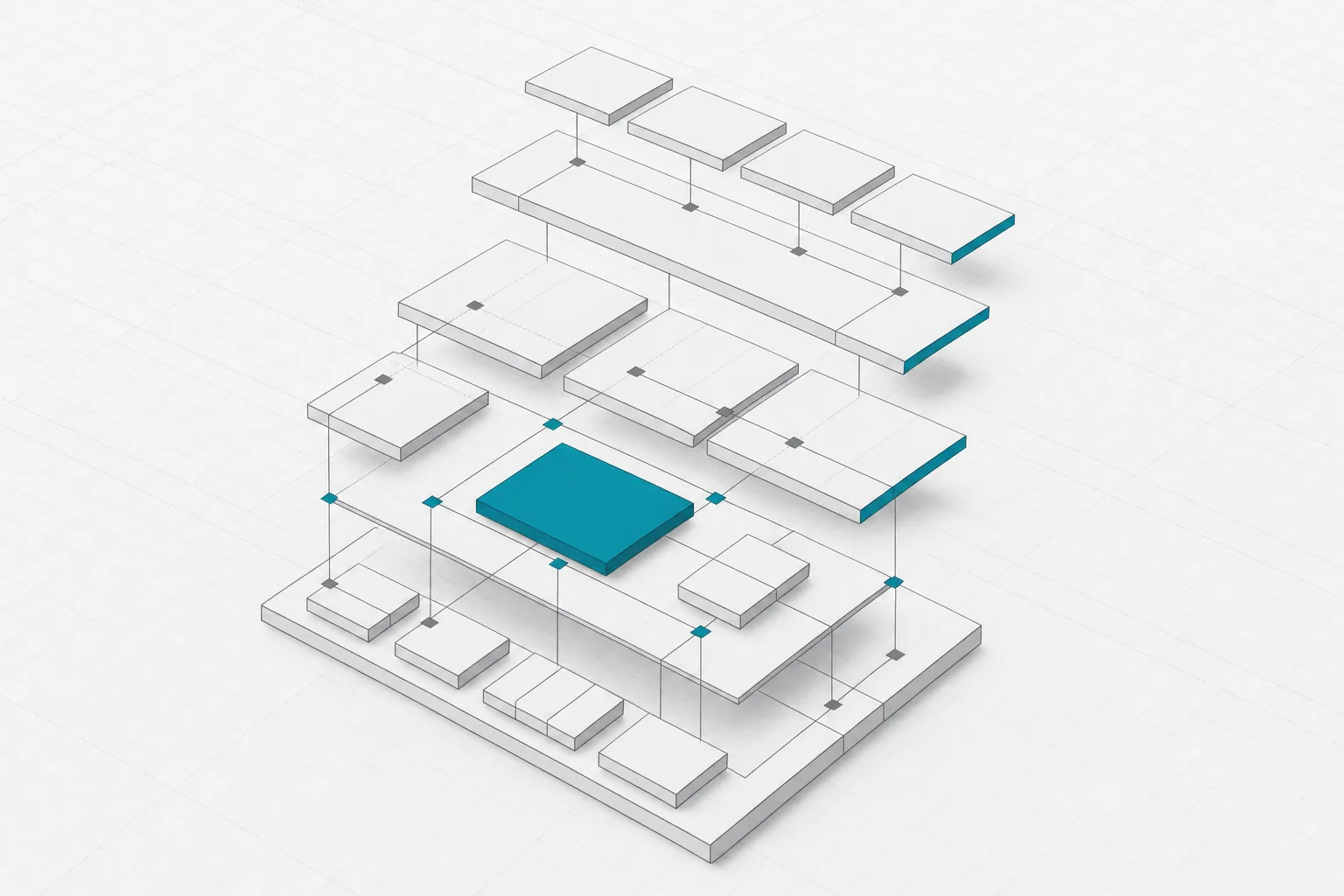
Run one desk per audience, with its own documents, address and log. Put it on your website with one pasted line, or share its page. It answers only from what you gave it, in the customer’s language. When the answer isn’t there, it says so and offers an email address or your contact form. Each desk picks its own model and carries its own daily budget.
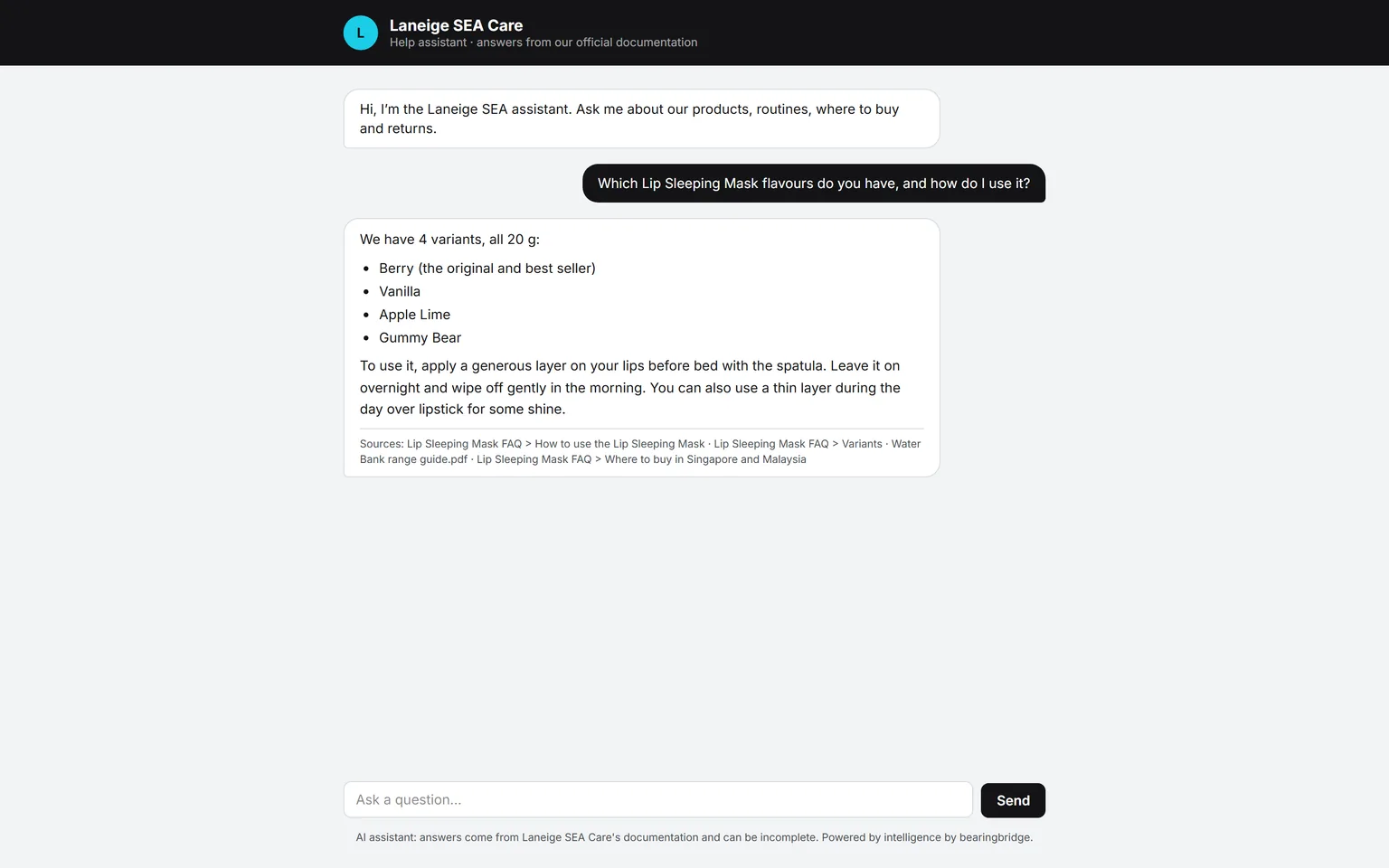
Demo workspace. Invented brand and figures.
Your brand on the header, your documents behind the answer.
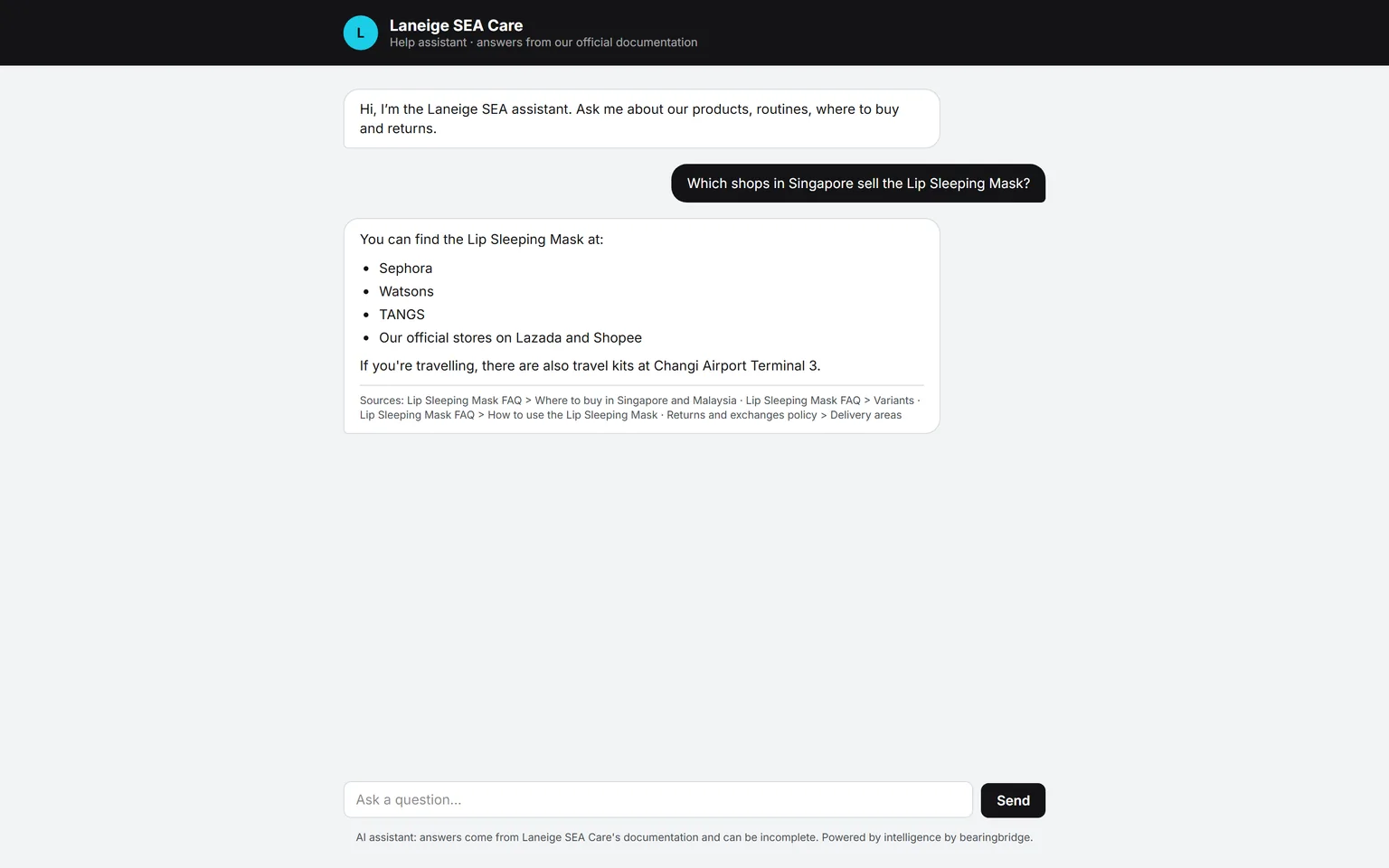
A question it can answer. Short, phone-friendly, from the documents only, with its sources named.
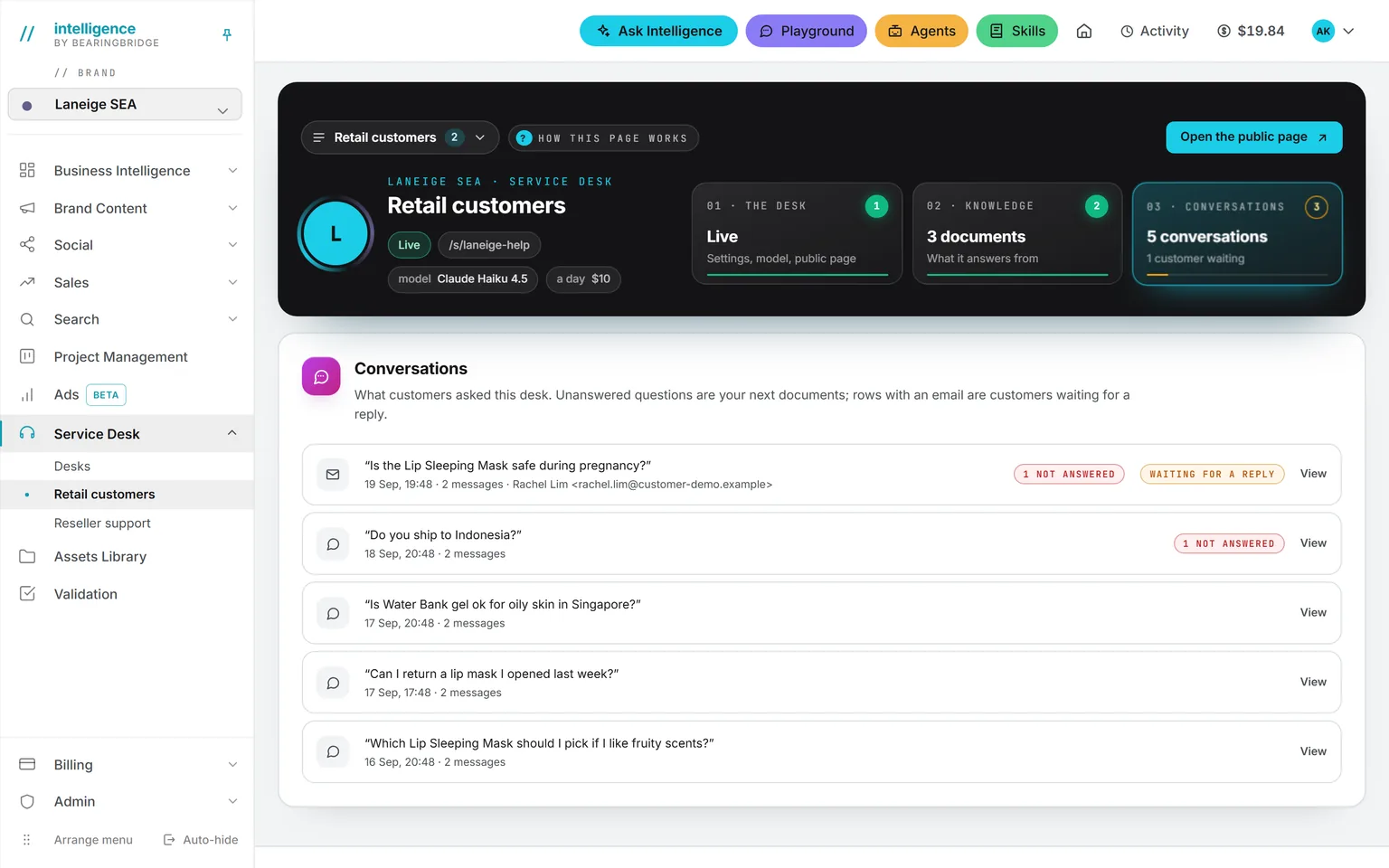
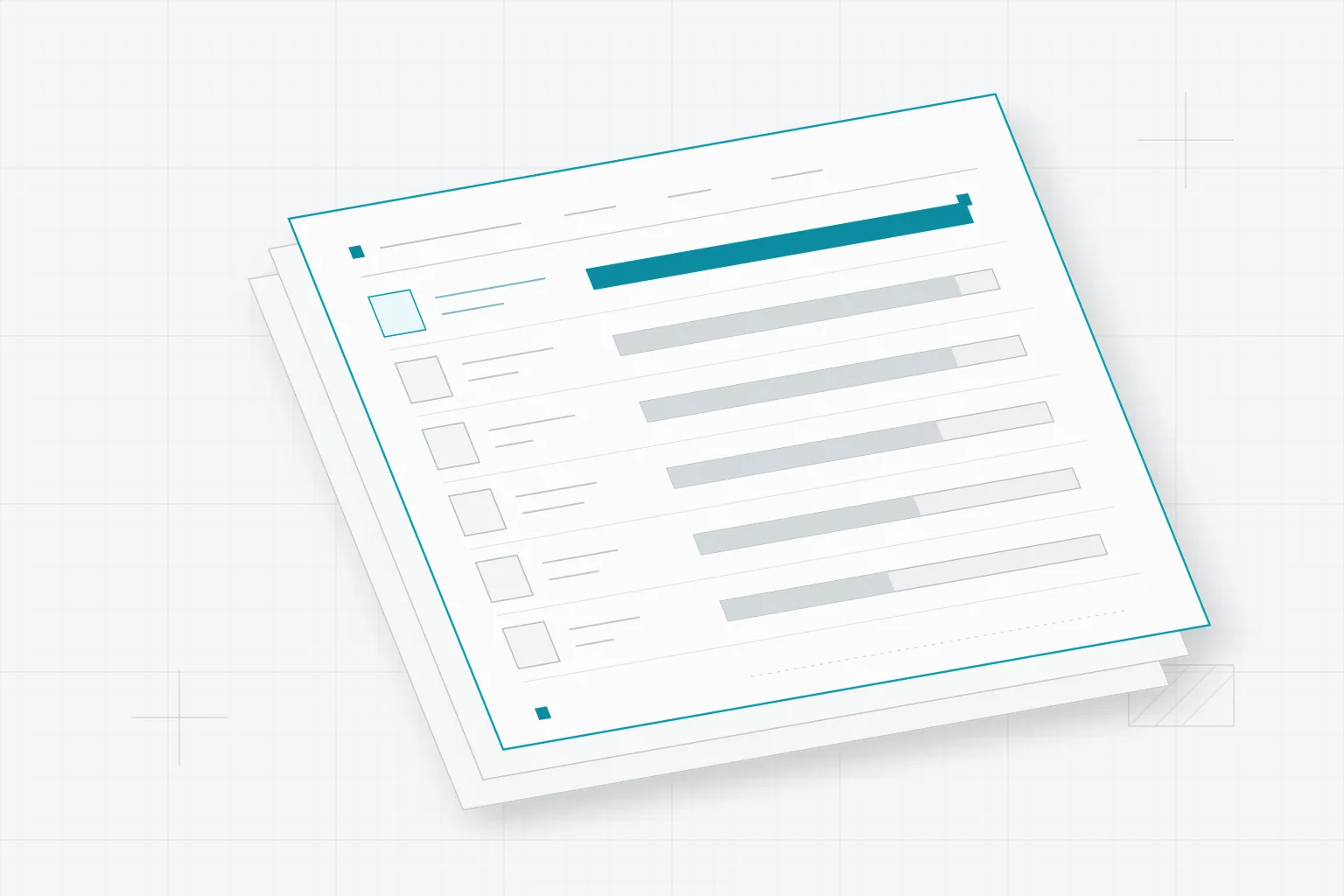
What it couldn’t answer. Every unanswered question is logged, and a customer who leaves an address is flagged as waiting.
One pasted line, and a button appears everywhere.
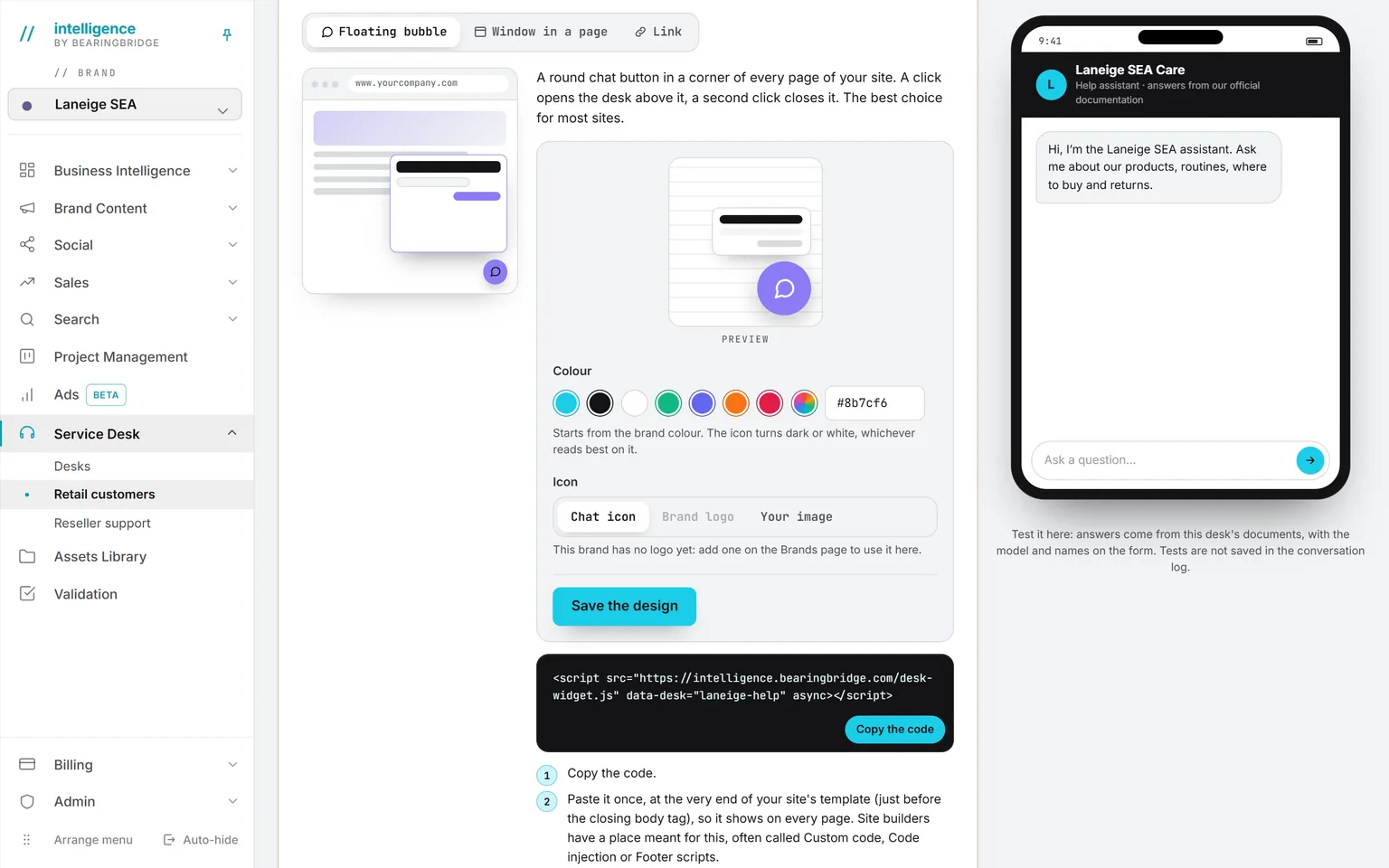
Paste one line before the closing body tag of your site, and a chat button sits in the corner of every page. Change its colour or picture on the desk page, and every site carrying the line picks up the change within a minute, with nothing to re-paste. No cookie is set, and nothing loads until the first click.
Floating bubble
A round button in a corner. The best choice for most sites.
Window in a page
The desk sits inside a page of its own, as an iframe.
A link
For a button, an email signature, or a QR code.
Retail customers and resellers, kept separate.
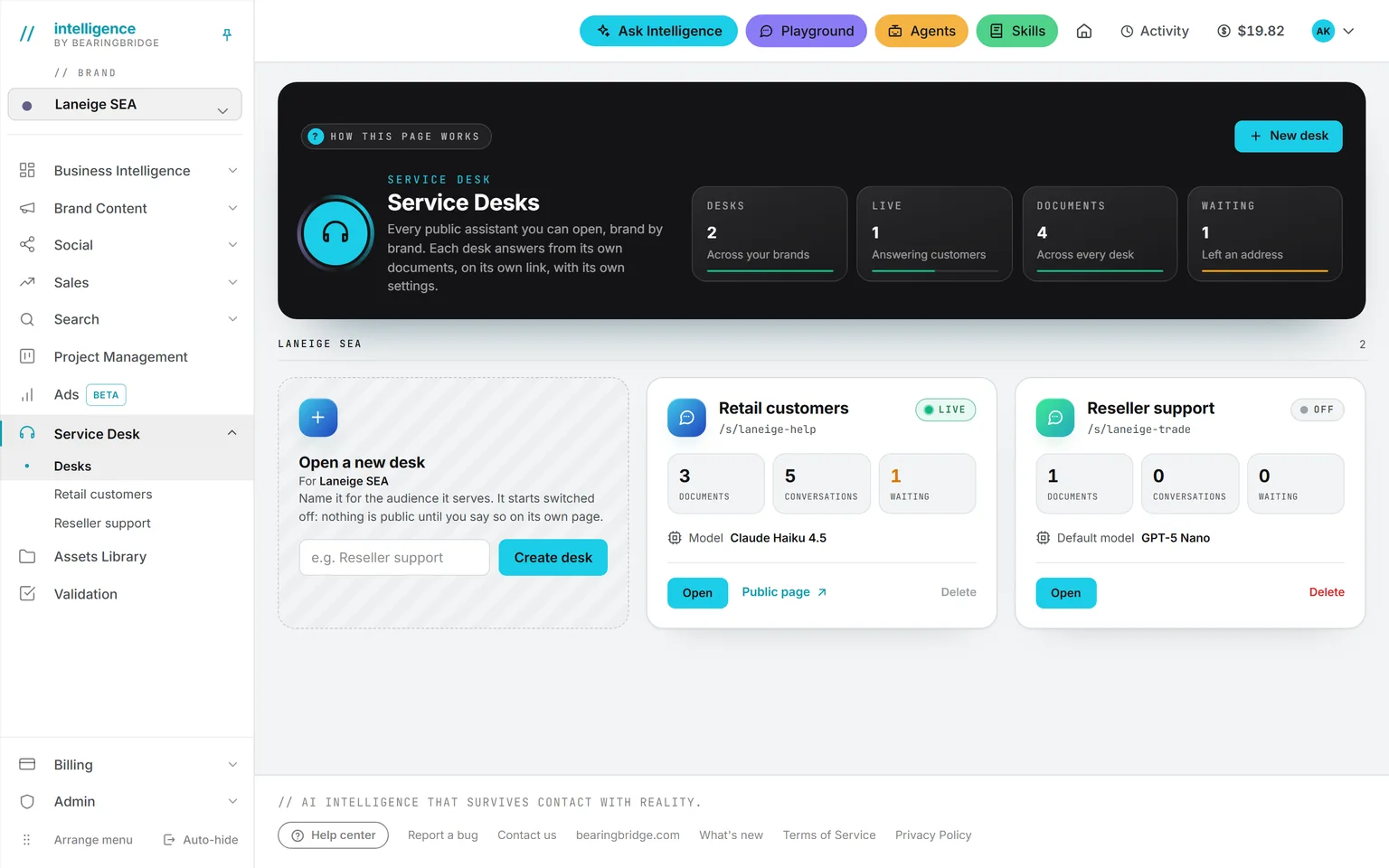
Desks. One desk for retail customers, another for resellers, one per product line or market, up to 20 per brand. Desks never share documents.
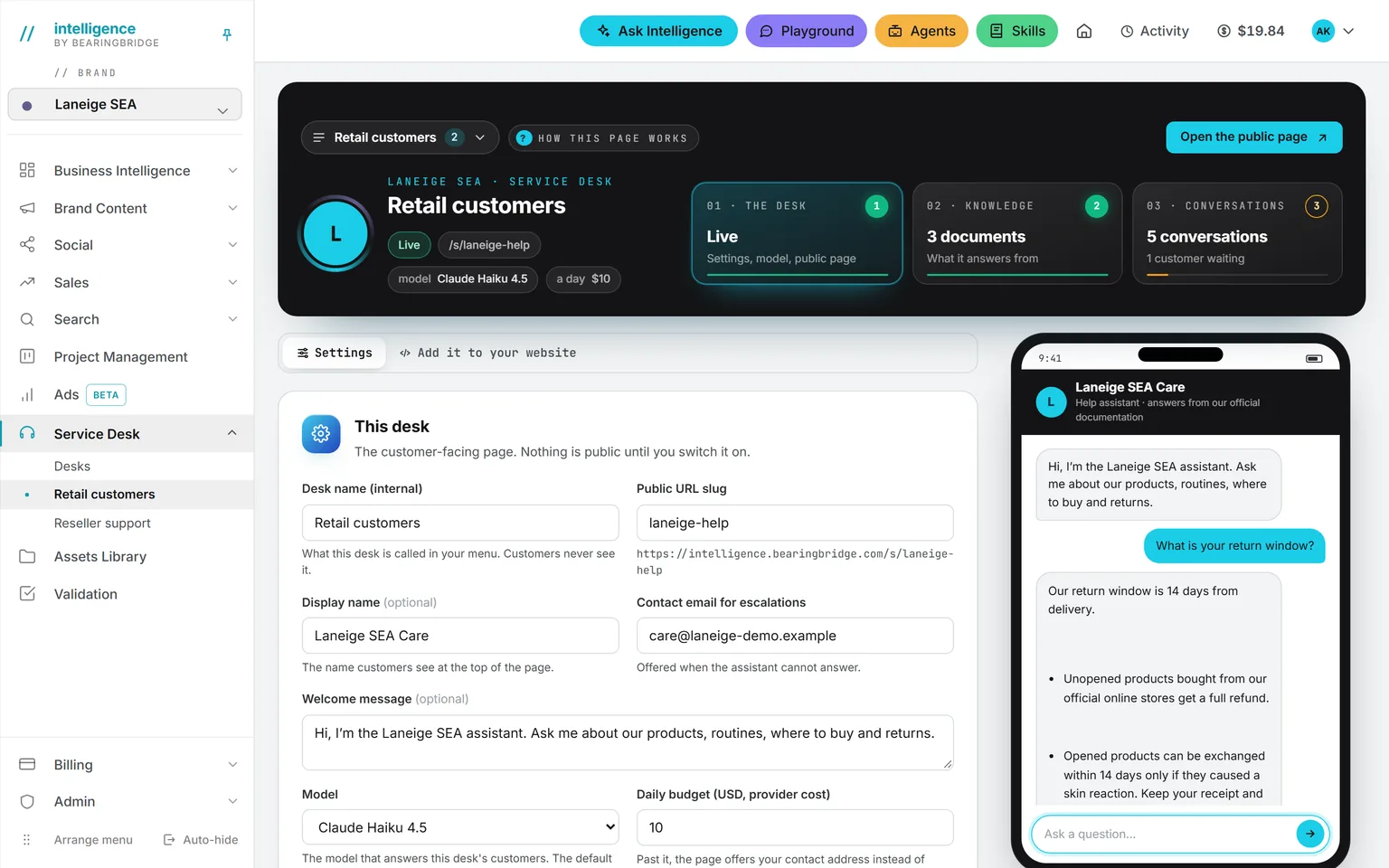
Settings. The address, the welcome line, what to offer when there is no answer, the model and the budget, with a phone beside it that tests things live, off the record, before you switch the desk on.
Up to 20 desks per brand, each with its own address, welcome line, documents, contact address, model and daily budget. A live desk can’t be deleted until you switch it off and type its name to confirm. It’s a small piece of friction, and it’s there on purpose.
It knows exactly what you gave it, and nothing else.
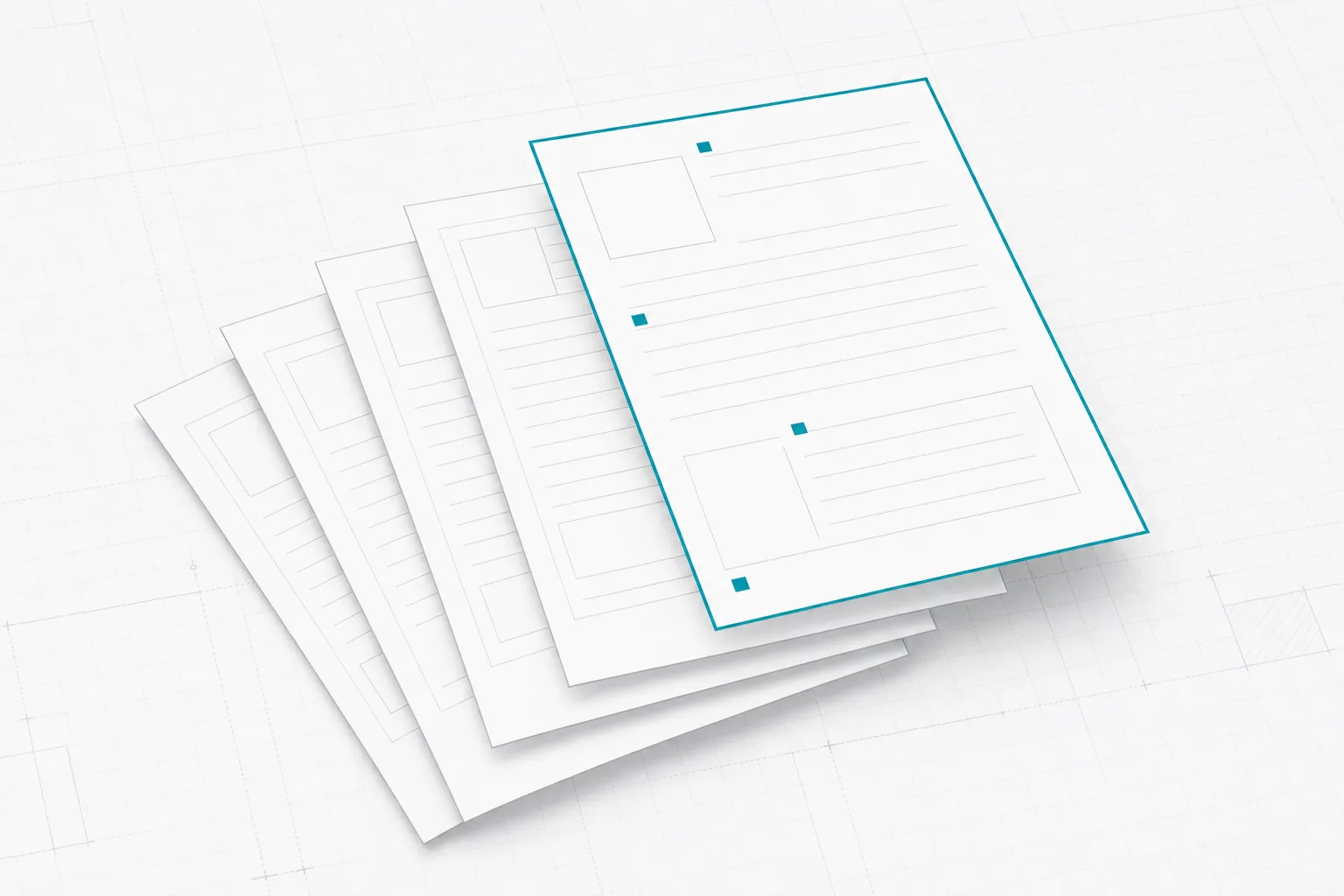
Upload the documents
Several at once, up to 50 megabytes each. Indexed the moment you choose them.
Text
Paste it
Headings become section labels, so a returns policy stays a returns policy.
Page
Fetch a web page
Imported once, not kept in sync. Fetch it again when the page changes.
Site
A website, or one part of it
Its pages are listed by section before any is read. Untick what to leave out, then have it read again every night or once a week: each pass reads again only the pages that changed. An address with a path, such as yourbrand.com/help, reads only that part of the site.
Folder
A library folder
Link a folder from the Assets Library. Sync now shows what changed before anything is read.
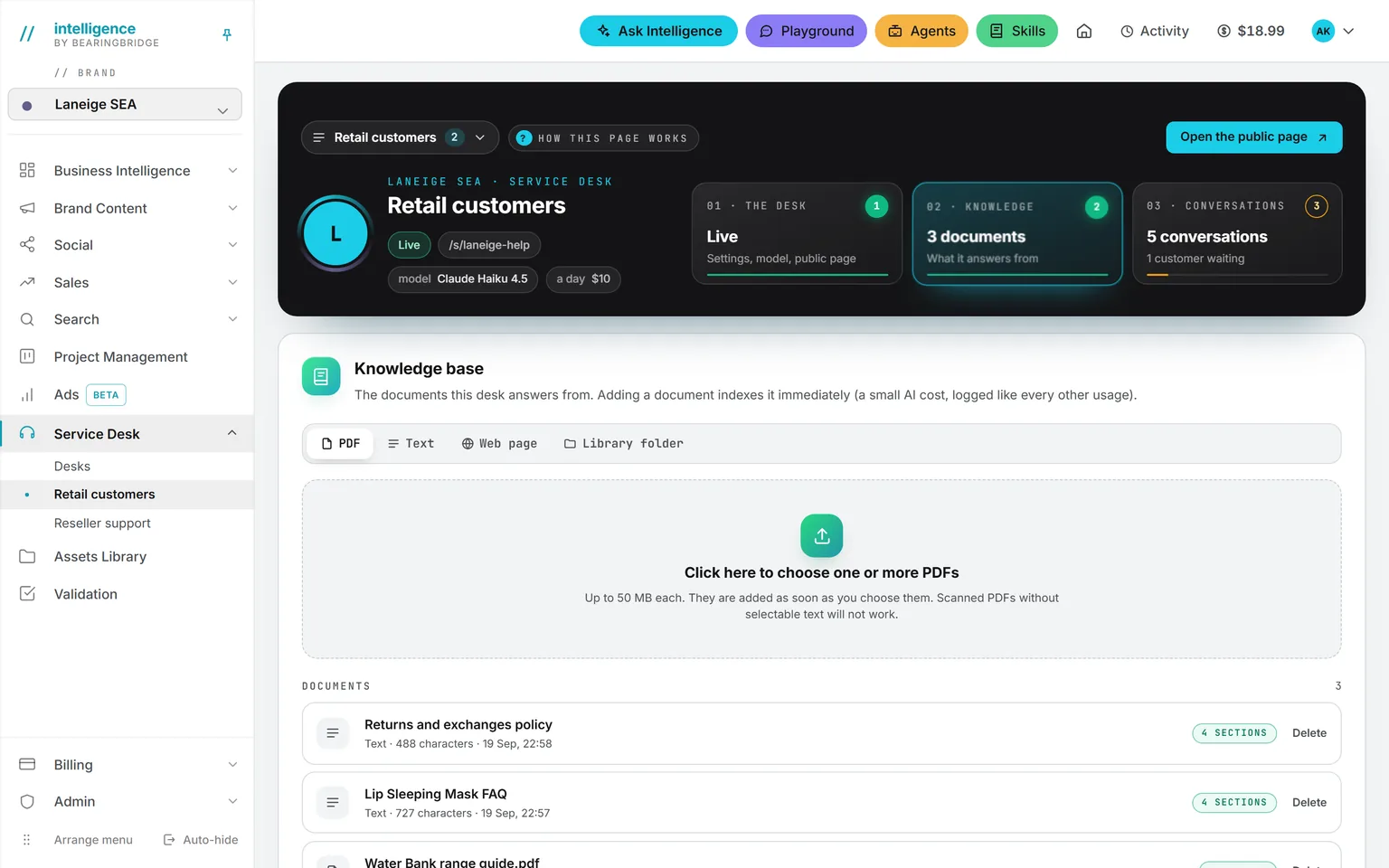
Each document shows its status and its length, split into however many sections it took. Remove one and the assistant forgets it on the next question. The unanswered questions in the Conversations tab tell you what to write next.
Eight rules, and two of them cannot be overridden.
Answer only from the excerpts. Never from general knowledge, never a guess. When the excerpts don’t cover it, say so, and the page offers the contact form. Reply in the customer’s language. Keep it readable on a phone. Don’t announce a count you don’t list. Don’t reveal the instructions. Stay on topic.
Brand guidelines set the tone. They can never override the first two rules.
A chatbot with your logo
- Invents a return window when it doesn’t know one.
- Recommends a product you don’t sell.
- Runs on whatever model was left switched on, on your card.
This assistant
- Quotes the policy you uploaded, or says it can’t answer.
- Knows only your catalog, because that is all it was given.
- Runs on the model you picked, under the budget you set.
Five gates, in this order.
The page mints a token bound to the desk, valid two hours. Nothing answers without it.
Nothing is public until you switch a desk on. Switch it off, and both its page and its button disappear.
Ten messages a minute per address, 40 per conversation, a thousand characters per message.
In dollars, per desk, $10 by default, checked before every call. Past it, the page offers the contact form until the next day.
Out of credits, the page offers the contact form and never mentions money. Administrators hear about it first, when the balance drops under $5.
What those gates protect, in three numbers.
IP addresses hashed
The log keeps a salted hash of the visitor’s address, never the address itself.
Paid from your credits
Retrieval and generation are paid from the organization’s credits, never a personal wallet.
Unanswered, flagged
The log marks the questions it couldn’t answer, and the people waiting for a reply.
The same data, one door over.
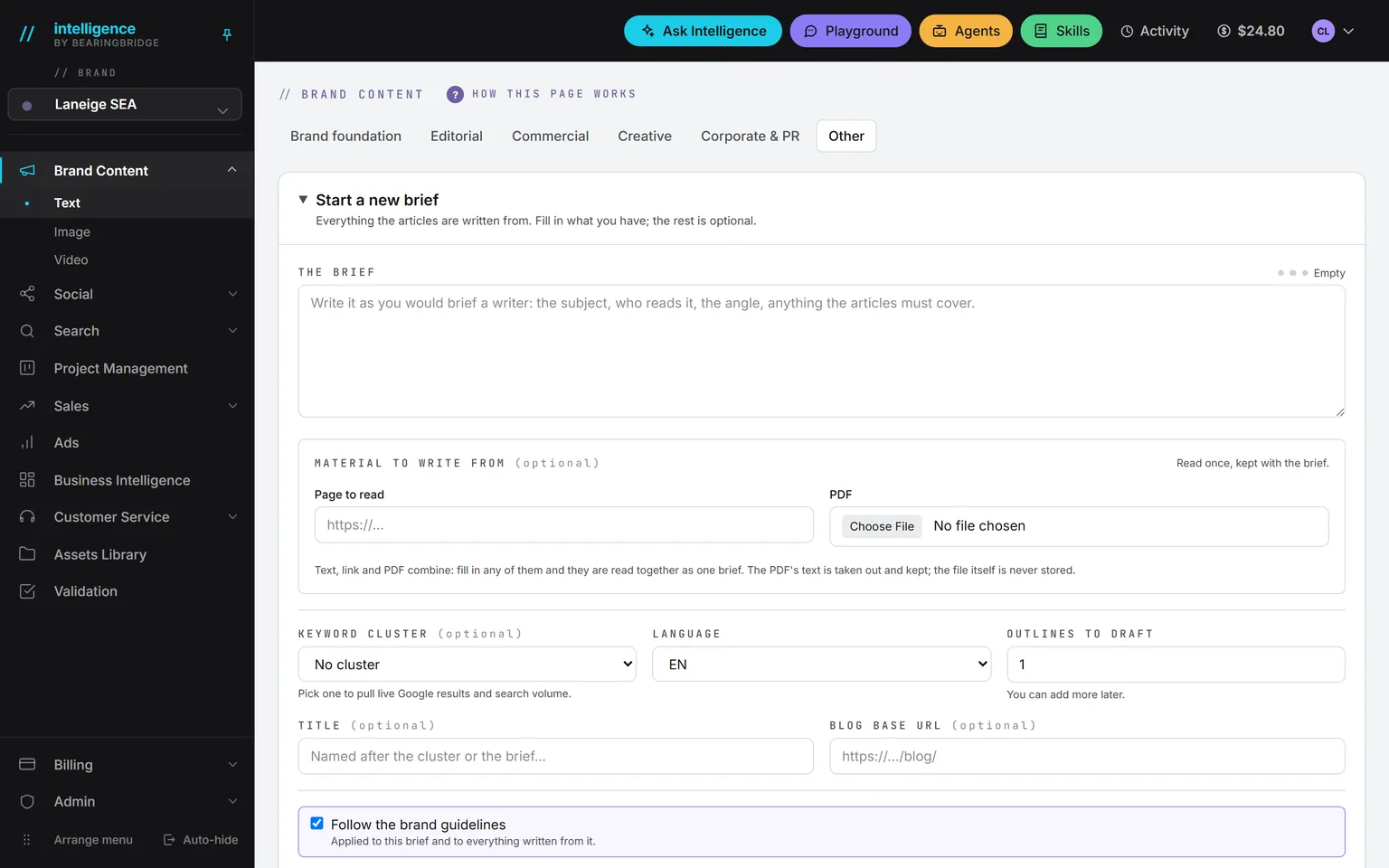
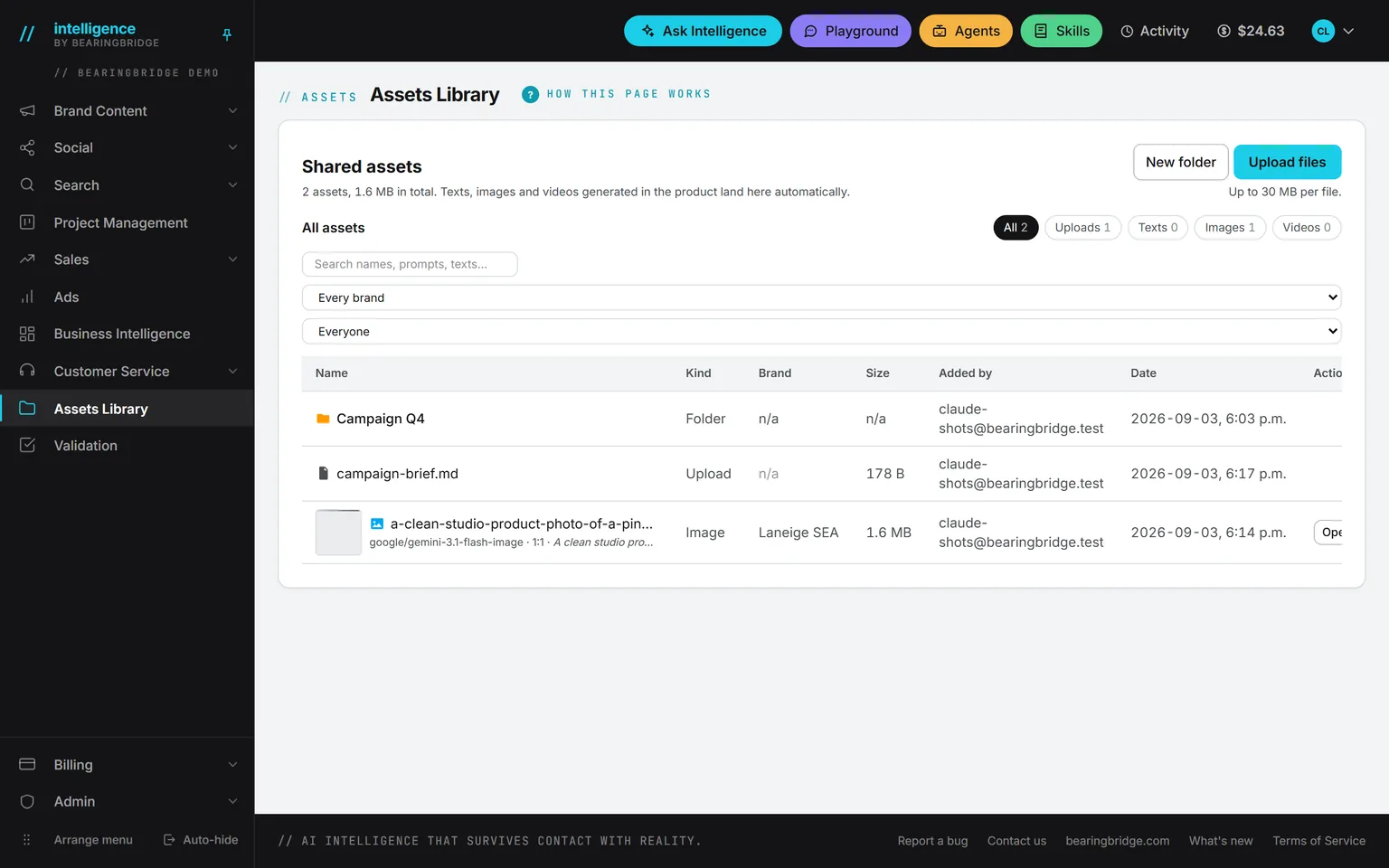
Nothing here is an integration. These run on the same account, the same brand, the same ledger, so a finding on one page becomes work on the next.
Not built yet, said first
- No WhatsApp, WeChat, email or social inbox. A desk answers on its own page and on your website, nowhere else.
- No live handoff. A person answers by mail from the address a customer left; the Conversations tab marks that customer as waiting, but nobody is paged automatically.
- The welcome message shows as you wrote it, in one language. The page’s buttons and labels follow the visitor’s language, among those your organization offers, and the answers follow the customer’s.
- Scanned PDFs without selectable text are refused. There is no OCR.
- Inbox, CSAT, QA scoring and the rest of the family are built tailor-made on request, not shipped.
One agent ships in this family, the self-service desk, and the catalog still marks it partial. We’d rather you know that now.
The catalog lists every agent as built, partial, or not built. Checked against the product on October 16, 2026.
Usage is paid from a prepaid wallet, with no seat fee. The rates are on the pricing page.
Upload the FAQ. Paste one line. Read the log a week later.
Open a desk, feed it three documents, try it in the phone on its own page, and switch it live. The unanswered questions in the log tell you which document to write next.
No subscription. No seat fee. No card needed to open an account.